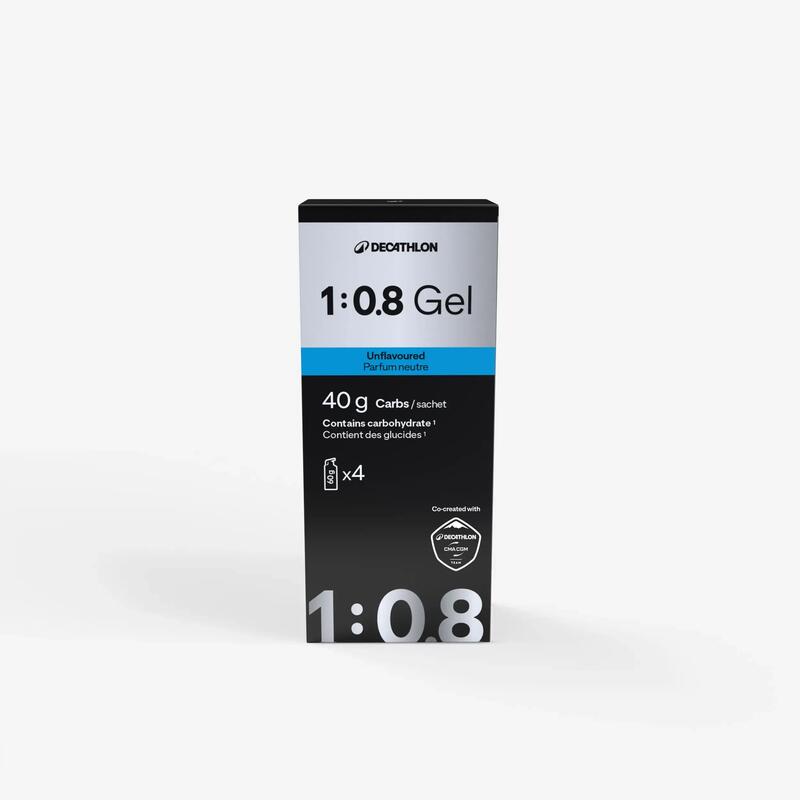
Gels
1:0.8 gel, plain and cola, co-designed with Decathlon CMA CGMPlain: decathlon.fr ↗Cola: decathlon.fr ↗40 g of carbs per gel.
Nutrition
In training, I wouldn’t change a thing. In the race, one lesson stands out: manage nutrition better. I used only Decathlon products. Here is what I had planned, what I actually took, and what I would change.
Not medical or dietary advice. This is my personal experience. Nutritional needs vary from person to person: to build your own strategy, ask a doctor or a dietitian.
Transparency. I work at Decathlon. The links to product pages are not affiliate links: I earn nothing from these purchases.
40 g of carbs per gel.
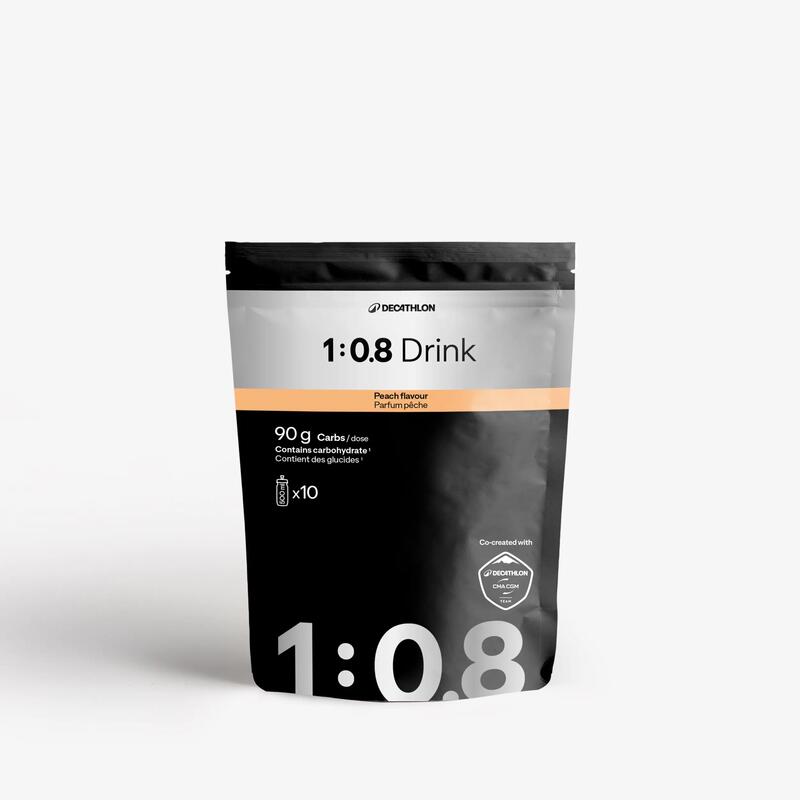
The powder in my flasks.
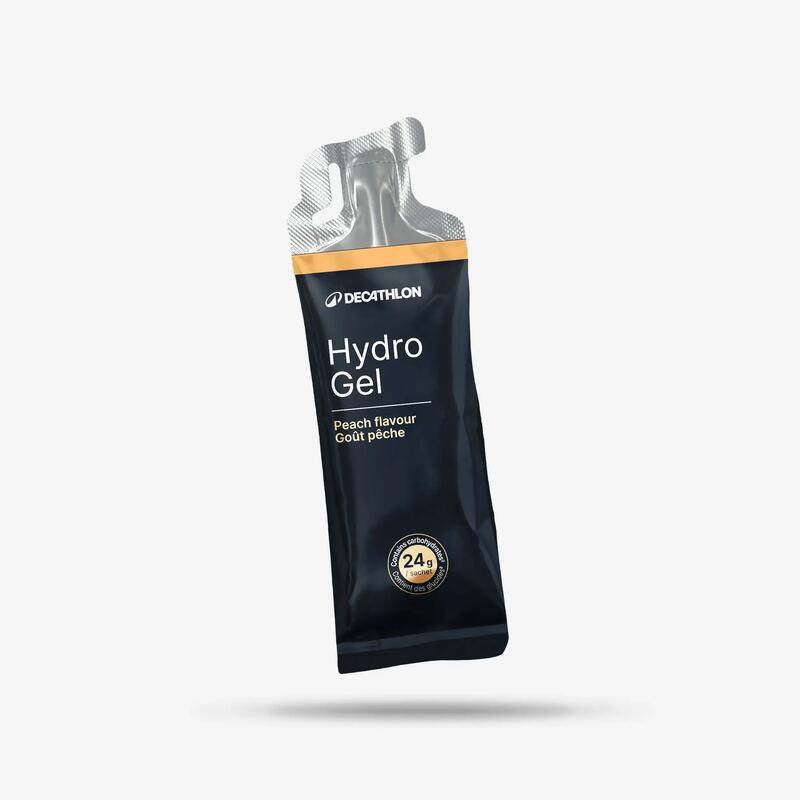
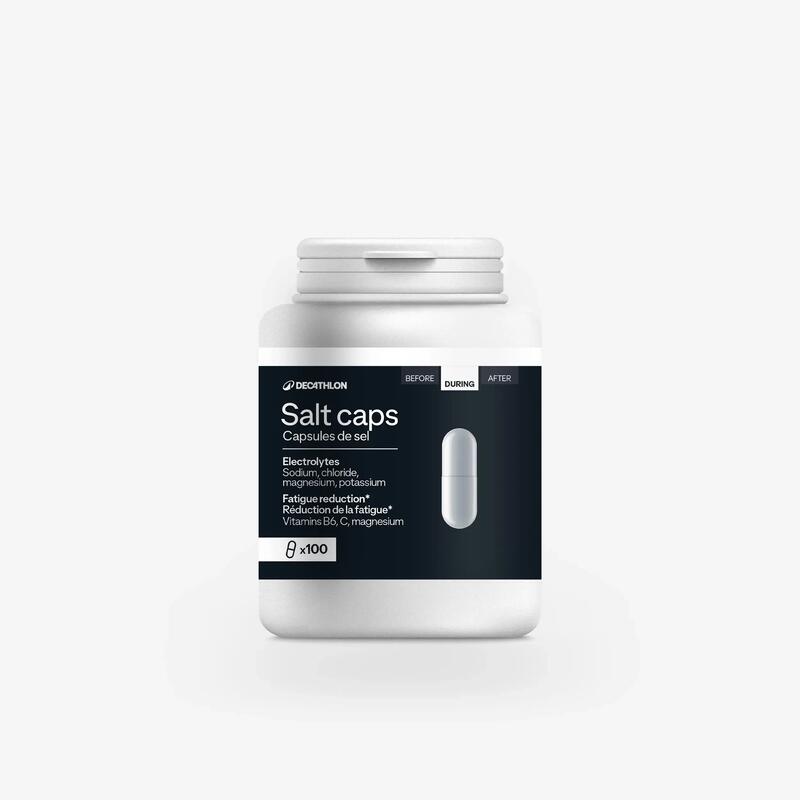
It went well overall, but my fuelling relied too much on gels and isotonic drink. I should have alternated and built up gradually.
I was also too ambitious with the number of gels. Something to prepare better next time.
To plan your fuelling, you can split the race between the big life bases. The durations below are my real times between those points; the right-hand column shows what my game plan planned for each section.
| Section | Km | Duration | Planned in my game plan |
|---|---|---|---|
| Chamonix → Les Contamines | 32.4 | 4:17 | Goal 76 g of carbs per hour: 2 scoops of powder, 1 hydrogel, 4 gels, 1 salt |
| Les Contamines → Courmayeur | 48.9 | 8:17 | Goal 73 g/h: 4 scoops of powder, 4 hydrogels, 8 gels, 1 salt |
| Courmayeur → Champex-Lac | 46.2 | 8:06 | Goal 72 g/h: 4 scoops of powder, 4 hydrogels, 6 gels, 1 salt |
| Champex-Lac → Chamonix | 46.1 | 8:42 | Goal 68 to 85 g/h: 5 scoops of powder, 7 hydrogels, 4 gels, 2 salts, with a stop at the support point in Vallorcine |
This block isn't my personal experience. It's a working base built from runners' feedback and online reviews of Decathlon nutrition products (Aptonia brand) in long races. Test and adapt before any race.
A dream, one day, with no date set: the Marathon des Sables.
For now, no other goal. The priority is family time, with our first child on the way.